
BOOTS TO WELLNESS, Women Veterans Healthcare Research Exchange: Intimate Partner Violence
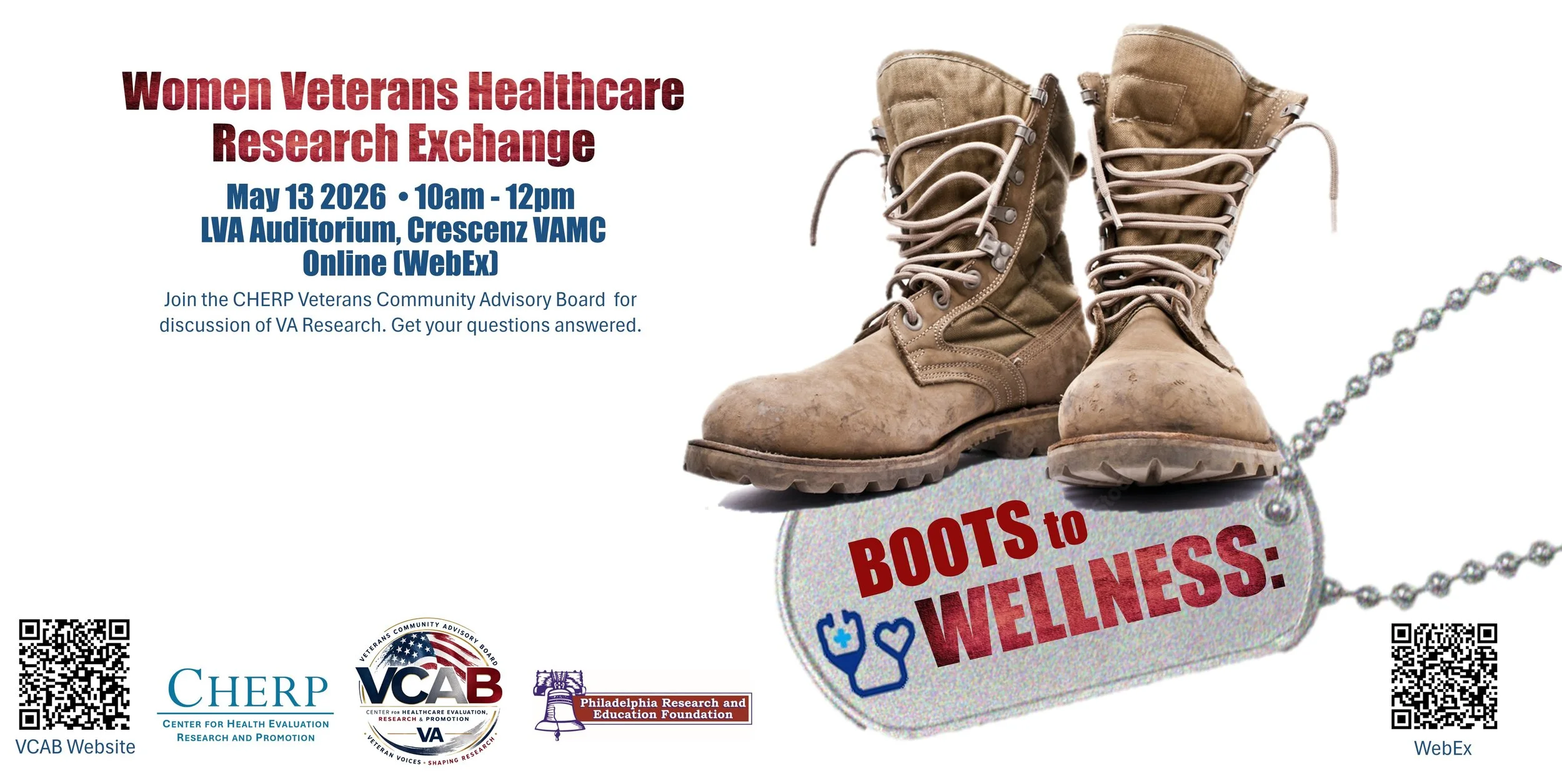
Boots to Wellness: Women Veterans Healthcare Research Exchange
This hybrid event, scheduled for May 13, 2026, 10 a.m.—12 p.m. EDT (in person at the Crescenz VAMC LVA Auditorium and online over WebEx), will focus on Veteran Women’s health research at the VA and the importance of Veteran voices in VA research. Following brief presentations from Veterans, VA researchers and others about Women Veterans’ health, Veterans will have an opportunity to ask questions that are important to them and to learn more about upcoming active research studies.
Register to attend online: Click here. To attend in person, join us on May 13, 2026 in the LVA Auditorium at Crescenz VAMC.
________________________________________
Standing Together: Addressing Intimate Partner Violence Among Women Veterans
Intimate partner violence (IPV) is a serious public health issue that affects individuals across all communities. For women Veterans, the risk and impact can be especially complex, shaped by military experiences, transitions to civilian life, and the unique challenges of navigating multiple systems of care and support. As members of the Veterans Community Advisory Board, we believe it is essential to raise awareness, reduce stigma, and ensure that every woman Veteran knows she is not alone—and that help is available.
Understanding the Scope
Women are one of the fastest-growing groups within the Veteran population. While many thrive after service, research shows that women Veterans experience higher rates of intimate partner violence than civilian women. IPV can include physical harm, emotional or psychological abuse, sexual coercion, financial control, or threats and intimidation. It may occur during active service, after separation, or at any point in a relationship.
For some women Veterans, experiences such as military sexual trauma (MST), combat exposure, traumatic brain injury, or post-traumatic stress disorder (PTSD) can increase vulnerability to unhealthy or unsafe relationships. Others may face barriers related to housing instability, employment challenges, or social isolation during the transition to civilian life. These factors can make it more difficult to recognize abuse, seek help, or leave a dangerous situation.
Going Unreported
Intimate partner violence is frequently hidden, and for Veterans there may be additional reasons for silence, such as a culture of self-reliance (many Veterans are trained to endure hardship and “push through,” making it difficult to ask for help); fear of consequences (concerns about custody, housing, finances, or a partner’s career may prevent reporting); distrust or stigma (some survivors worry they won’t be believed or fear being judged); or lack of awareness (not all women Veterans know that the VA offers services specifically for IPV).
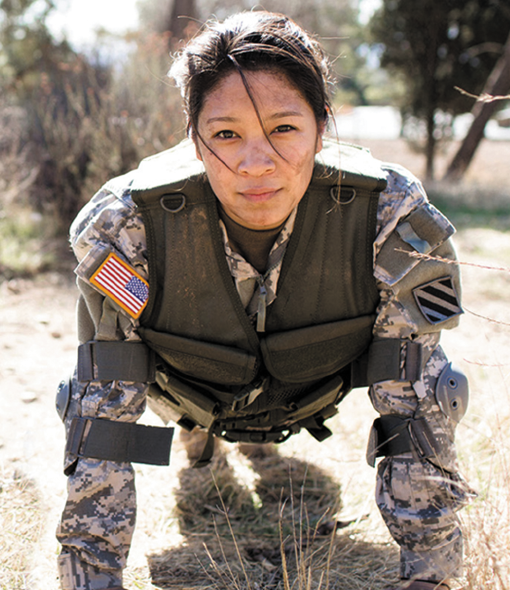
Breaking this silence starts with community awareness and compassionate outreach. The VA has made addressing intimate partner violence a priority. Every VA health care system now has an Intimate Partner Violence Assistance Program (IPVAP) with trained coordinators who provide confidential safety planning; connect Vets to counseling and mental health services; offer referrals for legal assistance, housing, and community resources; and support both survivors and those concerned about their own relationship behaviors.
Importantly, these services are available even if a Veteran is unsure about reporting abuse or leaving a relationship. The focus is on safety, empowerment, and informed choice. Sometimes the most powerful intervention is simply letting a Veteran know: You are seen. You are believed. Help is available.
If you’re concerned about someone, approach the conversation privately, listen without judgment, and share available resources.
Moving Forward Together
Addressing IPV is not only a clinical responsibility—it is a community commitment. If this message reaches even one woman Veteran who realizes help is within reach, then our community is moving in the right direction.
________________________________________
Veterans help shape the direction of VA research for years to come. It’s about building a brighter and healthier future for all Veterans.
So mark your calendars, bring your questions, and join us at the Crescenz VAMC on May 13, 2026 at 10am, (3900 Woodland Ave, Philadelphia, PA 19104, LVA Auditorium; or online with WebEx), and let's work together for a future where every Veteran receives the care and support they deserve. There’s a lot to talk about!
CHERP’s Veterans Community Advisory Board
The Veterans Community Advisory Board is made up of Veterans, like you, and they are working hard to promote holistic Veteran healthcare. This starts with spreading awareness among Veterans and researchers of the health equity issues that affect Veteran health and how to address them in the VA health system. “The voice of Veterans is often lost in research,” former VCAB Chair, Chuck Maxwell noted. “As a result, solutions developed may not meet the needs of patients. Patients and the public have come to feel disconnected from the goals of research.” With this in mind, the VCAB, in partnership with CHERP, PREF and the Crescenz VA Medical Center in Philadelphia, present the Veterans Healthcare Research Forum: Boots to Wellness: Women Veterans Healthcare Research Exchange, May 13, 2026, 10 a.m. to 12 p.m. EDT.
Get Involved! Veteran voices shaping research!
If you want to engage with Veterans about VA Research and identify with the CHERP VCAB’s mission, “To advise, foster relationships, and contribute experience and input to CHERP Leadership and Researchers in order to promote health, healthcare, and health equity for the Veteran Community,” the Veterans Community Advisory Board in Philadelphia would love to have you as a member! Contact CHERPVCAB@gmail.com today!